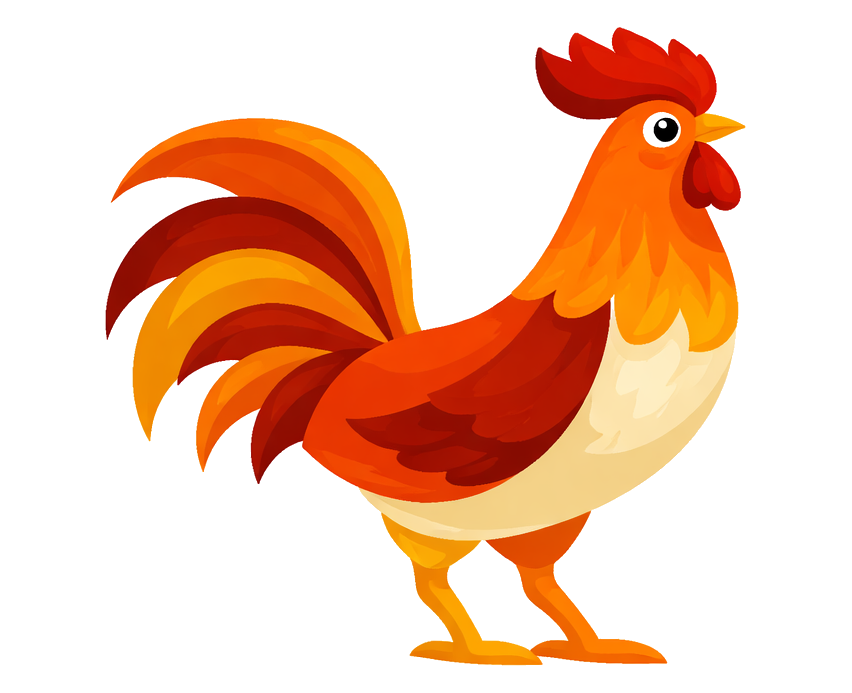
Ji zodiac sign
Stem-branch reading

Feu Coq

In traditional readings, Feu Coq is usually understood as Coq with a more more visible, urgent, and expressive tone. The sign's core drive is refine, organize, and make standards visible, while the element adds the layer of visibility, heat, and expressive movement.

🔥 Fire JiYears: 1957, 2017

What Feu Coq Means

Within the sexagenary cycle, Feu Coq corresponds to 丁(Dīng)酉(Yǒu). In popular Chinese zodiac reading, this “year element + animal sign” pairing returns every 60 years.

In Wuxing, Fire describes rising energy, exposure, urgency, and display. It is associated with warmth, charisma, and the tendency to bring things into the open. Applied to Coq, this usually creates a more more visible, urgent, and expressive expression of the sign rather than simply amplifying every trait.

At A Glance

Animal fixed element

Métal

Yearly phase

Feu ( Huo)

Generates

Earth

Checked by

Water

Feu Coq Years

These ranges follow Lunar New Year boundaries for general zodiac pages. Someone born before the listed start date belongs to the previous zodiac year.

YearStartsEndsStem-Branch
195731 janvier 195717 février 1958 (Dīng Yǒu)
201728 janvier 201715 février 2018 (Dīng Yǒu)

Work Style

Rooster energy often prefers precision, preparedness, and situations where errors can be corrected openly. It often makes the sign faster to act, stronger in presentation, and less patient with slow-moving situations. Fire often favors visible roles, momentum, and situations that reward fast communication or decisive action.

Relationships

In relationships, Roosters tend to be loyal, candid, and serious about expectations. It typically raises passion, responsiveness, and the desire for emotional immediacy. Fire usually brings emotional intensity, directness, and a stronger need for responsiveness.

Balance Advice

Under stress, Rooster energy can become critical, self-righteous, or overly rigid about correctness. When overstimulated, Fire can make the sign reactive, theatrical, or too quick to escalate. Traditional readings therefore usually suggest balancing this combination through softness, perspective, and tolerance for imperfection.

Common Strengths In Traditional Readings

  • Feu makes the expression of Coq more more visible, urgent, and expressive.
  • In balance, this combination reinforces confidence, warmth, and quick engagement and makes traits such as Observateur et Travailleur easier to see clearly.
  • It usually works best when the instinct of Coq can move in the direction offered by Feu.

Where It Can Go Off Balance

  • Feu can amplify the typical stress response of Coq when pressure lasts too long.
  • The main risk is not the sign itself but sliding into impatience, reactivity, or burnout.
  • The most stable expression appears when the natural strengths of Coq remain intact without pushing Feu into excess.

Compare Other Coq Element Types

The animal branch remains Coq, but the yearly phase changes its tone. Comparing the five variants is more useful than treating every Coq as identical.

Methodology

Reading Notes

These pages use the popular Chinese zodiac framework built around Lunar New Year boundaries. In scholarly discussions of Wuxing, the term is often translated as five phases, agents, or processes rather than static material elements.

This site uses Lunar New Year as the year boundary for general zodiac-sign pages. Some BaZi schools instead mark the year at Li Chun, so advanced chart interpretations may differ.

Calculatrice instantanée

Trouvez votre signe du zodiaque chinois

Vous souhaitez une analyse détaillée ? Essayez notre calculatrice complète du zodiaque chinois

Questions courantes

Foire aux questions

Explorer davantage